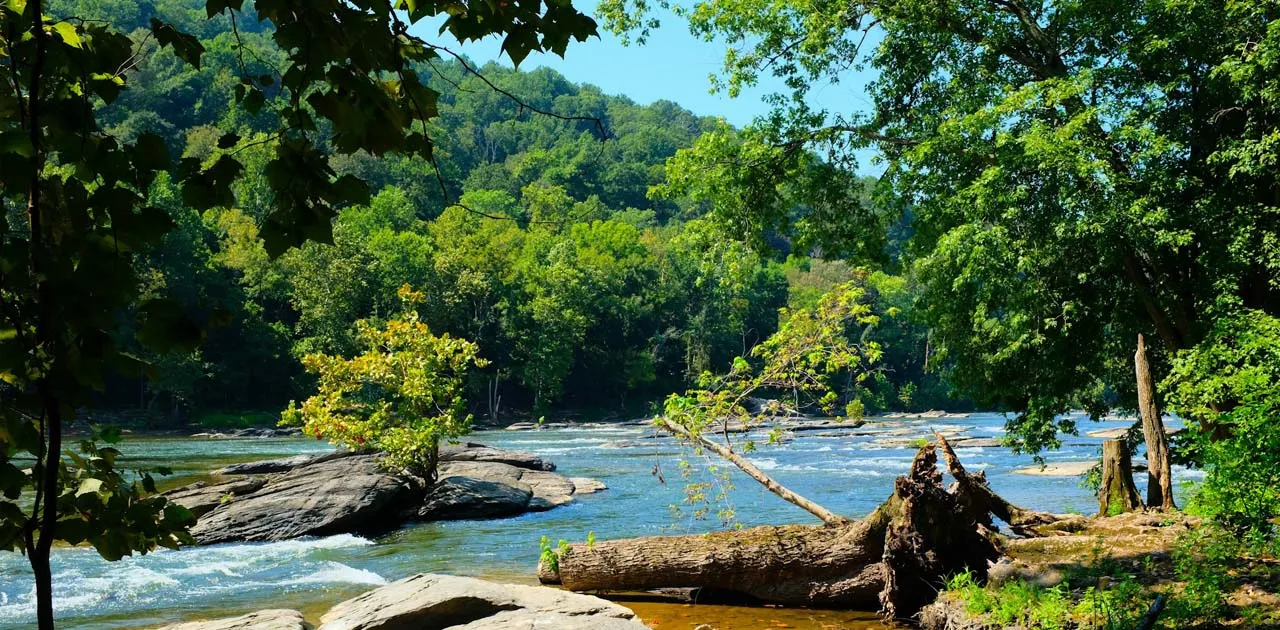

Washington, DC sits at the center of one of America’s most varied regions, which makes it a perfect springboard for quick escapes. Within a few hours, you can reach mountain overlooks, sandy beaches, charming small towns, and world-class cities. Whether you’re craving wineries and hiking, a historic deep dive, or a simple spa break, you’ll find short trips near Washington that fit your style and schedule.
In this guide to the best weekend getaways from Washington, you’ll discover eight rewarding destinations that balance relaxation, adventure, and culture. Each section covers how to get there, what to do, where to stay, and the best time to go—so you can plan a seamless 2–3-day trip. Use it to pick the best weekend destinations near Washington for every season and budget.
Searchers often ask for “weekend getaways from Washington,” “short trips near Washington,” and “best weekend destinations near Washington.” Below, you’ll find the most practical, low-stress choices that deliver big experiences in just a couple of days.
Why Plan a Weekend Getaway from Washington?
A short getaway gives you a complete reset without using much PTO. You step away from errands and screens, explore nearby nature, savor regional food, and return on Sunday feeling recharged. From Washington, many standout spots sit within 1–3 hours by car or train, so you spend more time experiencing and less time in transit. Two nights (or even one) can be enough when you pick compact destinations and plan a focused itinerary.
Typical travel times:
- Mountains and Shenandoah Valley: 1.5–3 hours by car
- Chesapeake Bay towns and beaches: 45 minutes to 3 hours by car or seasonal bus
- Historic cities like Richmond, Charlottesville, Philadelphia: 2–3 hours by Amtrak or car
Ideal duration: 2–3 days. Arrive Friday evening, pack in Saturday, and enjoy a slower Sunday before heading home.
Why should I plan a weekend trip from Washington? Because you can trade traffic and chores for fresh air, new flavors, and meaningful experiences—without the cost and logistics of a longer vacation.
Top Weekend Getaways from Washington
Shenandoah National Park — Skyline Views, Waterfalls, and Wineries
A weekend getaway from Washington to Shenandoah National Park brings you to sweeping overlooks, cascading falls, and peaceful forest trails in under two hours.
• Distance/Travel Time: About 70–90 miles; 1.5–2 hours by car to the Front Royal (northern) entrance via I-66. Public transit is limited; Amtrak to Charlottesville or Culpeper plus a rental car works if you don’t want to drive the full way.
• Why Visit: Shenandoah gives you instant access to the Blue Ridge. Skyline Drive offers 75 overlooks, while the park’s network of trails ranges from family-friendly boardwalks to rugged summit climbs. After hikes, unwind at nearby vineyards and farm-to-table restaurants in the Shenandoah Valley.
• Top Things to Do:
- Drive Skyline Drive and stop at overlooks like Stony Man and Thorofare Mountain
- Hike Dark Hollow Falls or Old Rag (permit required in peak season)
- Picnic and wildlife-spot (white-tailed deer and black bears are common)
- Taste flights at wineries near Luray, Sperryville, and Charlottesville
• Where to Stay: Choose national park lodges (Skyland or Big Meadows Lodge), rustic cabins, or boutique inns in Luray and Sperryville. Campers can book Big Meadows or Loft Mountain. Lodging often sells out on peak weekends; reserve early.
• Best Time to Visit: May–June for wildflowers, September–October for foliage, and spring/fall weekends for mild hiking weather.
Helpful tip: If you plan to visit multiple parks this year, the America the Beautiful annual pass can save money on entrance fees.
Annapolis & the Chesapeake Bay — Sailing, Seafood, and 18th-Century Charm
A weekend getaway from Washington to Annapolis and the Chesapeake gives you maritime history, cobblestones, and blue crab feasts just across the Bay Bridge.
• Distance/Travel Time: About 32 miles to Annapolis; 45–60 minutes by car via US-50. Direct weekend train options are limited; ride-share or bus services exist but driving remains easiest.
• Why Visit: Annapolis blends colonial architecture with a working harbor. You can tour the U.S. Naval Academy, sail past striped lighthouses, and eat just-caught seafood on waterside decks. Nearby, quiet coves and small bay towns deliver a slower pace and scenic sunsets.
• Top Things to Do:
- Walk the Historic District and the Maryland State House
- Tour the U.S. Naval Academy (book in advance; bring ID)
- Take a sailing cruise or rent kayaks/paddleboards
- Feast on blue crabs or crab cakes at local institutions
- Detour to St. Michaels or Oxford for quintessential bay vibes
• Where to Stay: Book a boutique inn near Maryland Avenue or Main Street for walkability, or choose a waterfront hotel or B&B with marina access. Budget travelers can look for chain hotels off US-50.
• Best Time to Visit: April–June and September–October bring pleasant weather and boating. Summer is lively but hot; winter is quiet and good for deals.
Helpful tip: Consider a 2-hour sailing cruise or a guided food tour; both add depth without heavy planning.
Harpers Ferry, West Virginia — Rivers, Cliffs, and Civil War History
A weekend getaway from Washington to Harpers Ferry sets you at the confluence of the Potomac and Shenandoah Rivers, where dramatic geology meets pivotal American history.
• Distance/Travel Time: About 67 miles; 1.5 hours by car via I-270/US-340. MARC’s Brunswick Line runs on limited schedules (primarily weekdays); Amtrak’s Capitol Limited stops daily but times vary. Driving offers the most flexibility.
• Why Visit: Harpers Ferry packs big scenery and rich history into a compact, walkable town. You can hike the Appalachian Trail, peer into 19th-century storefronts, and paddle gentle river sections—then relax with craft beer and bluff-top views.
• Top Things to Do:
- Climb the Maryland Heights trail for sweeping town-and-river views
- Explore Harpers Ferry National Historical Park exhibits and living history
- Raft, tube, or kayak seasonally with local outfitters
- Cross the pedestrian bridge into Maryland to connect with the C&O Canal Towpath
• Where to Stay: Choose a historic B&B in town, a cabin or cottage in nearby Bolivar, or campgrounds along the rivers. For more amenities, look in Charles Town (10–15 minutes away).
• Best Time to Visit: Spring and fall for crisp hiking weather and foliage. Summer offers water activities; winter is peaceful and budget-friendly.
Helpful tip: Book tubing or rafting in advance on hot weekends, and consider travel insurance with “cancel for any reason” if your plans hinge on river levels.
Charlottesville & Monticello, Virginia — Wine Country Meets University Town
A weekend getaway from Washington to Charlottesville pairs Blue Ridge vistas with a refined food-and-wine scene and Thomas Jefferson’s mountaintop estate.
• Distance/Travel Time: About 120 miles; 2–2.5 hours by car via I-66/US-29. Amtrak’s Northeast Regional and Crescent reach Charlottesville in roughly 2–2.5 hours, making this an easy car-free escape.
• Why Visit: Charlottesville functions as a small city with big culinary ambition. Monticello and the University of Virginia anchor the history, while nearby vineyards pour Virginia varietals against mountain backdrops. You can stroll the pedestrian Downtown Mall, then toast sunset in the foothills.
• Top Things to Do:
- Tour Monticello with timed-entry tickets
- Sip at wineries along the Monticello Wine Trail
- Explore UVA’s Lawn, Rotunda, and gardens
- Catch live music on the Downtown Mall and browse local boutiques
• Where to Stay: Pick a boutique hotel near the Downtown Mall for walkability, a vineyard inn for romance, or a farm stay/cabin in the Afton area for mountain quiet. Budget chains cluster along US-29.
• Best Time to Visit: April–June and September–November for vineyard season and pleasant temperatures. Summer brings longer days and festivals; winter offers value.
Helpful tip: Consider a guided wine shuttle so everyone can enjoy tastings without driving.
Richmond, Virginia — Street Art, Riverfront Trails, and Creative Cuisine
A weekend getaway from Washington to Richmond delivers a fresh blend of historic neighborhoods, a thriving dining scene, and urban outdoors along the James River.
• Distance/Travel Time: About 110 miles; 2 hours by car via I-95 (allow more time during peak traffic). Amtrak’s Northeast Regional connects Union Station to Richmond’s Main Street Station in roughly 2–2.5 hours.
• Why Visit: Richmond rewards explorers. Murals color entire blocks, the riverfront invites kayaks and rock-hopping, and museums spotlight everything from Civil War history to cutting-edge art. Foodies will find inventive kitchens and stellar coffee in every district.
• Top Things to Do:
- Walk the Richmond Mural Project routes and the Canal Walk
- Relax on the rocks at Belle Isle or kayak with an outfitter
- Browse the Virginia Museum of Fine Arts (free general admission)
- Eat your way through Scott’s Addition and Church Hill
• Where to Stay: Check into a boutique hotel downtown near Main Street Station, a historic inn in Church Hill, or a modern stay in Scott’s Addition. Budget hotels sit in the Short Pump and Midlothian areas.
• Best Time to Visit: Spring and fall shine with festivals and patio weather. Summer brings river fun; winter delivers lower rates and museum days.
Helpful tip: Book an Amtrak Saver fare early for the best price, and consider a food tour to sample many hotspots quickly.
Gettysburg, Pennsylvania — Battlefields, Bistros, and Small-Town Strolls
A weekend getaway from Washington to Gettysburg brings powerful history, pastoral landscapes, and a surprisingly cozy downtown.
• Distance/Travel Time: About 85 miles; 1.5–2 hours by car via I-270/US-15. Public transit is limited; a car offers the smoothest trip.
• Why Visit: Gettysburg invites quiet reflection and rewarding exploration. You can drive the battlefield loop with an expert licensed guide, visit the excellent museum, taste ciders on a historic farm, and end the day with a relaxed dinner on the square.
• Top Things to Do:
- Tour Gettysburg National Military Park and the Cyclorama painting
- Hire a Licensed Battlefield Guide for context-rich storytelling
- Visit the Eisenhower National Historic Site (seasonal shuttle)
- Sip at Adams County wineries and cideries; pick fruit in season
• Where to Stay: Choose a historic inn or B&B near Lincoln Square, a family-friendly chain hotel along US-15, or a farmhouse B&B for countryside calm. For a unique stay, look for cabins or glamping sites on nearby farms.
• Best Time to Visit: Spring and fall offer ideal touring weather and foliage. Summer brings living-history events; winter is quiet and budget-friendly.
Helpful tip: If you plan multiple attractions, look for combo tickets that bundle the museum, film, and cyclorama.
Philadelphia, Pennsylvania — Museums, Markets, and Revolutionary Sights
A weekend getaway from Washington to Philadelphia gives you a dynamic city break with easy car-free access, world-class museums, and beloved food traditions.
• Distance/Travel Time: About 140 miles; 2.5–3 hours by car via I-95 (traffic can be heavy). Amtrak Northeast Regional runs 1.5–2 hours to 30th Street Station; buses take around 3 hours.
• Why Visit: Philly pairs serious history with playful energy. You can stand where the Declaration was debated, then hop to modern art galleries, neighborhoods filled with murals, and markets piled with roast pork sandwiches and famous cheesesteaks.
• Top Things to Do:
- Tour Independence Hall and the Liberty Bell (reserve timed tickets)
- Browse the Philadelphia Museum of Art and the Barnes Foundation
- Eat your way through Reading Terminal Market
- Walk Old City, Rittenhouse Square, and South Street for local flavor
• Where to Stay: Book a hotel or boutique stay in Center City or Old City to minimize transit time. Budget hunters can check University City or South Philly. Car-free travelers will love staying near 30th Street Station or City Hall.
• Best Time to Visit: April–June and September–November for comfortable sightseeing. Winter offers lower prices and festive lights; summer has street festivals.
Helpful tip: Consider a Go City Philadelphia pass if you plan multiple paid attractions—it can trim costs and lines.
Rehoboth Beach, Delaware — Boardwalk Vibes and Tax-Free Shopping
A weekend getaway from Washington to Rehoboth Beach delivers sand, surf, and sunset strolls on a classic Atlantic boardwalk.
• Distance/Travel Time: About 120 miles; 2.5–3 hours by car via US-50/DE-1 (traffic builds on summer weekends). Seasonal express buses like BestBus or OurBus often run from DC to Rehoboth in roughly 2.5–3 hours; check schedules.
• Why Visit: Rehoboth blends family-friendly beaches with a lively dining scene. You can laze on wide sandy shores, bike peaceful trails, and sample local craft brews. Tax-free shopping sweetens rainy-day plans at Tanger Outlets.
• Top Things to Do:
- Beach time and evening boardwalk strolls with fries and saltwater taffy
- Bike or walk Gordon’s Pond and Junction & Breakwater Trails
- Day trip to Cape Henlopen State Park for dunes and WWII towers
- Sip at Dogfish Head Brewings & Eats and local taprooms
• Where to Stay: Choose a boutique hotel or inn near the boardwalk for car-free convenience, rent a condo for groups, or save with motels along Coastal Highway. Lewes (10 minutes north) offers quieter B&Bs.
• Best Time to Visit: Late May–June and September offer warm water with fewer crowds. Peak July–August has buzz and events. Shoulder seasons yield lower rates and empty beaches.
Helpful tip: Bring a lightweight beach canopy and a compact cooler; both elevate a quick coastal escape without adding bulk.
Williamsburg & Jamestown, Virginia — Living History and Theme-Park Thrills
A weekend getaway from Washington to Williamsburg mixes immersive history, leafy bike paths, and nearby roller coasters for a choose-your-own-adventure weekend.
• Distance/Travel Time: About 160 miles; 2.5–3 hours by car via I-95/I-64. Amtrak’s Northeast Regional connects DC to Williamsburg in about 3 hours, landing you a short walk from Colonial Williamsburg.
• Why Visit: You can cross centuries in a single afternoon. Step into 18th-century streets with costumed interpreters, then bike the scenic Colonial Parkway to Jamestown’s archaeological site. Families can add Busch Gardens for theme-park thrills.
• Top Things to Do:
- Explore Colonial Williamsburg’s trades, taverns, and Governor’s Palace
- Visit Historic Jamestowne and Jamestown Settlement
- Bike the Colonial Parkway or ride the Virginia Capital Trail
- Spend a day at Busch Gardens or Water Country USA (seasonal)
• Where to Stay: Book a colonial-era inn or tavern room for immersive charm, a family-friendly suite near Busch Gardens, or a resort-style property with a pool and spa. Budget hotels cluster along Richmond Road.
• Best Time to Visit: Spring and fall bring mild weather and fewer crowds. Summer adds theme-park days and longer hours; winter offers festive programs and good value.
Helpful tip: Look for combo passes that bundle Colonial Williamsburg, Jamestown, and Yorktown to save on admissions.
Travel Tips for Weekend Trips from Washington
- Plan around traffic: Leave Friday by mid-afternoon or later in the evening. Return Sunday after dinner. Alternatively, go car-free with Amtrak for Richmond, Charlottesville, and Philadelphia to avoid I-95 congestion.
- Pack light and smart: Use a weekender bag, packing cubes, and a small daypack. Keep a compact power bank, refillable water bottle, and lightweight rain shell in your daily carry.
- Time your activities: Anchor each day with one “must-do,” then add optional nearby stops. This reduces rushing and keeps the trip relaxing.
- Reserve early: Popular inns, cabins, and park lodges fill months out for peak weekends. Book stays and timed-entry tickets (e.g., Monticello, Independence Hall) as soon as you set dates.
- Choose the right wheels: For parks and small towns, a car provides flexibility. For city breaks, Amtrak or bus plus a centrally located hotel lowers stress and parking costs.
- Eat strategically: Make one or two reservations at sought-after restaurants, and keep a backup casual option. Food tours help you sample more in less time.
What should I pack for a weekend trip from Washington?
- Quick-dry layers, comfortable walking shoes, a compact rain jacket, sunscreen, sunglasses, refillable bottle, portable charger, and any attraction passes or park permits.
Best Time to Plan Weekend Getaways from Washington
The Mid-Atlantic’s four seasons give you year-round options.
- Spring (March–May): Highs average 55–75°F. Flowers bloom in DC and vineyards, rivers run strong for paddling, and temperatures favor city walking and moderate hikes. This season suits Shenandoah, Charlottesville wine tours, and Philadelphia’s museums and parks.
- Summer (June–August): Highs often reach 80–90°F with humidity. Beaches like Rehoboth thrive, river activities peak in Richmond and Harpers Ferry, and evening strolls feel festive in Annapolis and Williamsburg. Plan midday breaks and book water-based activities early.
- Fall (September–November): Highs 55–75°F, crisp nights, and foliage in October. This is prime time for Shenandoah overlooks, Gettysburg touring, and winery patios. Crowds rise on peak foliage weekends; reserve ahead.
- Winter (December–February): Highs 40–50°F, with occasional cold snaps and snow. City museums, restaurants, and holiday events shine, while hotel rates often drop. This is a smart time for affordable cultural weekends in Richmond, Philadelphia, and Williamsburg.
Ideal months by theme:
- Beach: Late May–June and September
- Mountains/hiking: April–June and September–October
- History/culture: Year-round, with value in winter
- Wine country: April–June and September–November
Budget and Planning Advice
How much does a weekend trip from Washington cost?
- Expect $300–$900 per person for 2–3 days, depending on destination, season, and lodging style.
Typical ranges for two nights:
- Accommodation: $150–$450 per night (budget chains on the low end; boutique or waterfront/park lodges higher)
- Transportation: $40–$120 round-trip for Amtrak Saver fares to Richmond/Charlottesville/Philly; $50–$120 in gas and tolls for a car; parking varies by city ($20–$50/day)
- Food & drink: $40–$90 per person per day for casual dining; add more for tastings or fine dining
- Activities: Many parks and museums are low-cost or free. Guided tours, sailing, wine tastings, or theme parks can add $20–$100+ per person.
Money-saving tips:
- Book early with flexible rates and set deal alerts for Amtrak and hotels.
- Travel in shoulder seasons for lower lodging costs and easier reservations.
- Bundle attractions: Look for city passes (e.g., Go City Philadelphia) or combo tickets (Williamsburg/Jamestown).
Helpful apps and tools:
- Transit and tickets: Amtrak, Metro, and local bus apps
- Navigation and traffic: Google Maps, Waze
- Booking and stays: Hotel and vacation rental apps; filter by “free cancellation”
- Itinerary planning: Wanderlog, Roadtrippers
- Outdoors: AllTrails for hikes, NPS app for park updates
With smart timing, light packing, and a couple of strategic reservations, you can turn Washington’s prime location into effortless, memory-rich weekends—again and again.
Frequently Asked Questions
Take Amtrak from Union Station to:Philadelphia: 1.5–2 hours to 30th Street Station; walk or use SEPTA for sights.
– Richmond: About 2–2.5 hours to Main Street Station; downtown is walkable.
– Charlottesville: Around 2–2.5 hours; easy access to the Downtown Mall by rideshare.
For Harpers Ferry: Weekend train options are limited to Amtrak’s once-daily Capitol Limited; otherwise rent a car at the nearest Amtrak stop.
For Rehoboth Beach: Seasonal BestBus/OurBus often run 2.5–3 hours from DC.
– For bay swimming: Sandy Point State Park near Annapolis is about 37 miles (45–60 minutes via US-50) and Chesapeake Beach is roughly 35 miles.
– For ocean beaches: Rehoboth Beach, DE sits about 120 miles (2.5–3 hours) and Ocean City, MD about 150 miles (3–3.5 hours). Rehoboth offers a classic boardwalk, tax-free shopping, and easy dining within walking distance.
The Front Royal entrance is about 70–90 miles west of DC (1.5–2 hours via I-66). Skyline Drive requires a park entrance fee (per-vehicle, valid seven days), and the America the Beautiful pass covers it. If you plan Old Rag, you need a day-use ticket in peak season (see below).
Yes during peak months. Old Rag requires a day-use ticket from roughly March through November, in addition to the park pass. Tickets release 30 days in advance, with a smaller batch five days out, on Recreation.gov. Start early, bring plenty of water, and expect 5–7 miles of steep, rocky terrain.
Yes. Amtrak’s Northeast Regional runs DC–Philadelphia in about 1.5–2 hours. From 30th Street Station, use SEPTA or walk to Center City, the Museum District, and Old City. Book Saver fares early for lower prices, and consider a city attraction pass if you’ll visit several museums.
You can do it in a day—hike Maryland Heights, tour the National Historical Park, and grab a meal downtown. However, an overnight lets you add tubing or kayaking, quieter early-morning walks in Lower Town, and sunset views without rushing. Drive time runs about 1.5 hours from DC.
Go in spring (April–May) or fall (September–October) for mild 60s–70s°F weather, lighter crowds, and full programming in Colonial Williamsburg. Summer offers theme-park days at Busch Gardens but brings heat and higher demand. From DC, plan 2.5–3 hours by car (I-95/I-64) or about 3 hours by Amtrak.
Plan 1–2 days. In one day, you can tour the battlefield by car or with a Licensed Battlefield Guide and see the Museum and Cyclorama. With a second day, add Eisenhower National Historic Site, a stroll around Lincoln Square, and nearby wineries or orchards. Driving from DC takes about 1.5–2 hours.
For ocean waves and a walkable boardwalk, choose Rehoboth (2.5–3 hours). Park once and explore the beach, restaurants, and shops by foot; the Lewes Transit Center park-and-ride plus DART buses help in peak season. For a closer, maritime vibe with sailing and seafood, pick Annapolis (45–60 minutes). It’s a Chesapeake Bay town, so you won’t get ocean beaches, but you’ll get historic streets and harbor views.
Leave DC before 8 a.m. on Saturday or after 7 p.m. on Friday; return Sunday after dinner. For Richmond, consider US-301 as an I-95 alternative, or take Amtrak to skip backups. For Charlottesville, US-29 can beat I-95/I-64 during peak times. For the beaches, avoid midday crossings of the Chesapeake Bay Bridge on US-50; leave early, return late, and check MDOT traffic cameras. Express Lanes on I-95 can save time but include dynamic tolls.
 Susan Callies
Susan Callies is a travel writer at Travleon.com, where she shares guides, itineraries, and hidden gems from around the world. When she’s not writing about new destinations, Susan enjoys playing the violin, ice skating during the winter months, and exploring local food scenes wherever she travels. She's also passionate about photography, journaling her adventures, and visiting art museums. Susan believes that the best stories are found off the beaten path — and she’s always chasing the next one.