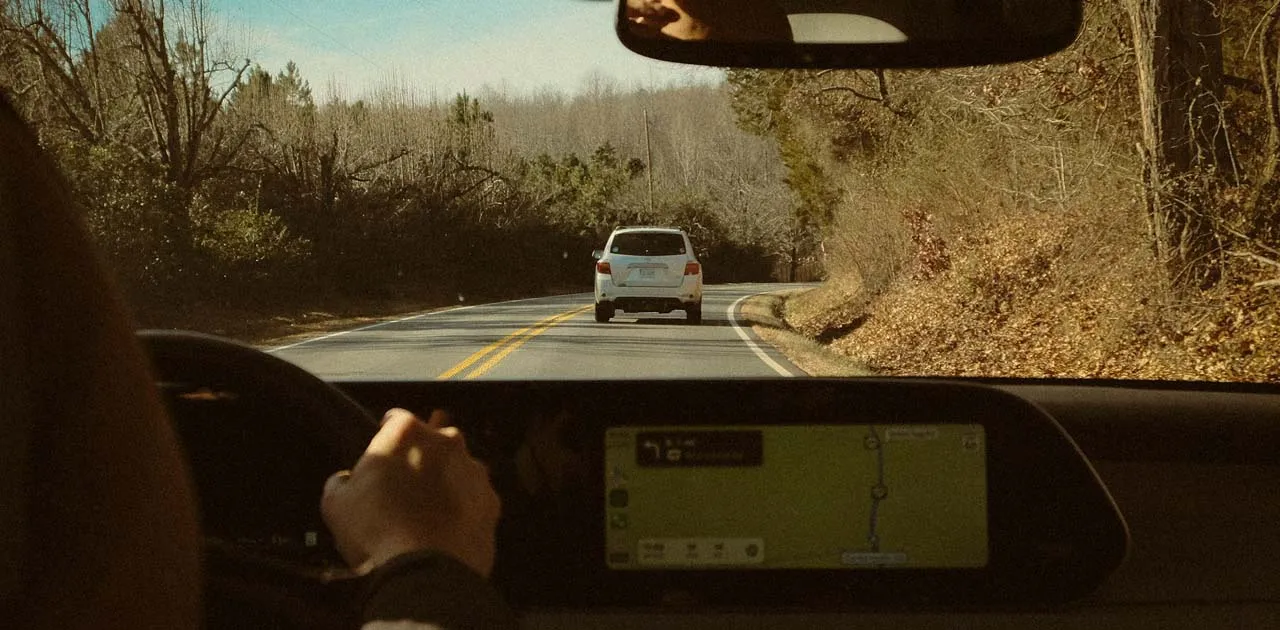

Northern Virginia sits at the crossroads of history, nature, and major transportation routes, which makes it an ideal launchpad for quick escapes. In under four hours, you can reach mountains, beaches, charming college towns, and lively river cities. This guide rounds up the best weekend getaways from Northern Virginia—short trips near Northern Virginia that deliver relaxation, adventure, or culture without the stress of long travel days.
You’ll find travel times, why each place stands out, key things to do, where to stay, and the best times to visit. Whether you want Blue Ridge views, wild ponies on a barrier island, or cobblestone streets and seafood, these are the best weekend destinations near Northern Virginia to bookmark now.
Why Plan a Weekend Getaway from Northern Virginia?
Short getaways reset your routine without burning vacation days. Because Northern Virginia connects to I‑95, I‑66, and Amtrak’s Northeast Regional, you can slip out on Friday and be in a different world by dinner. Most trips below run 1–3 hours by car; a few hit the 3–4 hour mark but reward you with beaches or lakes. Two nights is perfect, though three gives you time to linger.
You’ll save money and stress by staying close: fewer miles, fewer logistics, more time doing rather than traveling. Moreover, you can choose your vibe—hiking and waterfalls in Shenandoah, galleries and gastronomy in Richmond, or sailing and crab feasts in Annapolis—based on the season and your energy level. If you’ve wondered, “Why should I plan a weekend trip from Northern Virginia?” the answer is simple: maximum payoff with minimal planning.
Top Weekend Getaways from Northern Virginia
Shenandoah National Park & Skyline Drive — Blue Ridge vistas in under two hours
A weekend getaway from Northern Virginia to Shenandoah National Park puts 500 miles of trails and sweeping overlooks within easy reach.
• Distance/Travel Time: About 75–100 miles; 1.5–2 hours by car to Front Royal (North Entrance) or Thornton Gap. Driving is the practical choice.
• Why Visit: Skyline Drive stitches together sunrise overlooks, cascading waterfalls, and wildlife sightings. You’ll trade screen time for switchbacks and stars. Wineries and farm cideries dot the foothills, so you can pair hikes with tasting rooms.
• Top Things to Do:
- Hike Old Rag (day‑use ticket required in peak season) or Stony Man for big views.
- Chase waterfalls on Dark Hollow or Whiteoak Canyon.
- Cruise Skyline Drive and stop at Hazel Mountain or Range View Overlook.
- Stargaze at Big Meadows, one of the park’s darker sky areas.
- Detour to Luray Caverns or the Shenandoah Valley Wine Trail.
• Where to Stay: Book park lodges (Skyland, Big Meadows) for sunrise access; reserve well ahead. Outside the park, try mountain cabins, pet‑friendly cottages, or budget motels in Luray/Front Royal. Look for free‑cancellation rates on major booking sites if weather looks iffy.
• Best Time to Visit: Late April–June for wildflowers; September–late October for peak foliage. Winter can bring icy closures on Skyline Drive—check road status before you go.
Charlottesville & Monticello — Wine, history, and a walkable college town
A weekend getaway from Northern Virginia to Charlottesville blends vineyards, a UNESCO World Heritage Site, and a lively dining scene.
• Distance/Travel Time: About 120 miles; 2–2.5 hours by car via I‑66/US‑29. Amtrak’s Northeast Regional and Cardinal serve Charlottesville in roughly 2.5–3 hours.
• Why Visit: Thomas Jefferson’s Monticello and the University of Virginia’s Academical Village are UNESCO‑listed, and the Blue Ridge rises just west of town. You’ll sip award‑winning Virginia wines, browse the pedestrian Downtown Mall, and catch live music.
• Top Things to Do:
- Tour Monticello; time your visit for a house and gardens combo.
- Taste along the Monticello Wine Trail (King Family, Barboursville, Veritas).
- Hike Humpback Rocks on the Blue Ridge Parkway for sunset.
- Stroll the Downtown Mall’s boutiques, galleries, and restaurants.
- Visit Highland (James Monroe’s home) or the Fralin Museum of Art.
• Where to Stay: Choose boutique hotels on or near the Downtown Mall, vineyard cottages for a countryside feel, or budget‑friendly chains along US‑29. For savings, compare Amtrak Saver fares with hotel packages that bundle tastings or parking.
• Best Time to Visit: April–June and September–November for mild weather and harvest season. Summer brings festivals but also heat; winter is quieter and value‑friendly.
Harpers Ferry, West Virginia — Where the Potomac and Shenandoah meet
A weekend getaway from Northern Virginia to Harpers Ferry delivers cliff‑top views, river adventures, and living history within 90 minutes.
• Distance/Travel Time: About 60 miles; 1–1.5 hours by car. Amtrak’s Capitol Limited stops daily; MARC commuter trains mainly run weekdays.
• Why Visit: The national historical park layers abolitionist history with Appalachian Trail culture and river recreation. You can hike from town to sweeping overlooks, then refuel at cafes that feel made for muddy boots.
• Top Things to Do:
- Hike Maryland Heights for iconic views over Lower Town.
- Explore John Brown’s Fort and park exhibits in historic buildings.
- Go tubing or kayaking in summer with local outfitters.
- Pop into the Appalachian Trail Conservancy headquarters.
- Zipline or aerial park nearby for a shot of adrenaline.
• Where to Stay: Book riverfront inns, B&Bs, or cozy cabins in Bolivar and surrounding hills. Many cabins require a two‑night minimum; reserve early for fall weekends. Check if parking is included, as spaces in town are limited.
• Best Time to Visit: Late spring through October. Summer is prime for water fun; October foliage is spectacular and very popular.
Annapolis, Maryland — Sailboats, seafood, and colonial streets
A weekend getaway from Northern Virginia to Annapolis pairs America’s Sailing Capital with Chesapeake flavor and walkable charm.
• Distance/Travel Time: About 50–70 miles; typically 1–1.5 hours by car via the Capital Beltway and US‑50. Limited commuter bus service exists, but driving is simplest on weekends.
• Why Visit: Historic rowhouses, the U.S. Naval Academy, and a harbor bobbing with masts set the scene. You can tour storied yards, take a harbor cruise, then crack into blue crabs by the water.
• Top Things to Do:
- Tour the U.S. Naval Academy (bring a government‑issued ID for security).
- Sail or ride a 40–90 minute harbor cruise at sunset.
- Wander Main Street and Maryland Avenue boutiques and galleries.
- Kayak from Quiet Waters Park or paddle Spa Creek.
- Feast on steamed crabs and oysters in season.
• Where to Stay: Choose historic inns near State Circle, waterfront hotels with on‑site marinas, or charming B&Bs on quiet side streets. For busy weekends (boat shows, Commissioning Week), book early and look for flexible cancellation policies.
• Best Time to Visit: April–October. Spring brings blooms and mild temps; fall is crisp and less humid. Summer is festive but can be hot and busy.
Richmond, Virginia — Creative capital on the James
A weekend getaway from Northern Virginia to Richmond offers art, river trails, and standout dining without a long drive.
• Distance/Travel Time: About 100–115 miles; 1.5–2 hours by car via I‑95 (plan around traffic). Amtrak’s Northeast Regional reaches Main Street Station in about 2 hours.
• Why Visit: Street murals, James River rapids, and the Virginia Museum of Fine Arts anchor a city with serious culinary cred. Neighborhoods like Scott’s Addition and Church Hill pack breweries, coffee roasters, and views.
• Top Things to Do:
- Explore VMFA’s world‑class collections (open late several nights).
- Walk the Pipeline and T. Tyler Potterfield bridges for river panoramas.
- Browse Carytown’s indie shops and Byrd Theatre.
- Sample breweries and cideries across Scott’s Addition.
- Raft, kayak, or stand‑up paddle on the urban rapids in season.
• Where to Stay: Book downtown or riverside boutique hotels for easy walking, or choose budget‑friendly options along West Broad Street. Use HotelTonight or major OTAs for last‑minute deals; parking fees vary, so compare totals.
• Best Time to Visit: March–June and September–November for festivals and comfortable weather. Summers are hot and humid; winters are mild with occasional cold snaps.
Williamsburg, Virginia — Living history plus theme‑park thrills
A weekend getaway from Northern Virginia to Williamsburg lets you step into the 18th century by day and ride coasters by night.
• Distance/Travel Time: About 150 miles; roughly 2.5 hours by car via I‑95/I‑64 (allow extra on Friday evenings). Amtrak to Williamsburg takes about 3 hours from the DC area.
• Why Visit: Colonial Williamsburg’s costumed interpreters and preserved streets bring history to life. Nearby, Busch Gardens adds world‑class rides, while Jamestown and Yorktown round out America’s Historic Triangle.
• Top Things to Do:
- Explore Colonial Williamsburg’s trades, taverns, and evening programs.
- Spend a day at Busch Gardens or Water Country USA in summer.
- Visit Jamestown Settlement and American Revolution Museum at Yorktown.
- Bike the Virginia Capital Trail toward Jamestown.
- Taste at Williamsburg Winery or Surry County’s cideries via the Jamestown‑Scotland Ferry.
• Where to Stay: Pick family‑friendly resorts with pools, historic inns near Merchants Square, or reliable chains along Richmond Road. Look for bundle deals that include Busch Gardens tickets and hotel nights to save.
• Best Time to Visit: March–June and September–November for mild temps and fewer crowds. December adds holiday programs and lights.
Chincoteague & Assateague — Wild ponies and wild beaches
A weekend getaway from Northern Virginia to Chincoteague delivers laid‑back island vibes, protected beaches, and wildlife encounters.
• Distance/Travel Time: About 170–190 miles; 3.5–4 hours by car via US‑50/US‑13 across the Eastern Shore.
• Why Visit: The Chincoteague National Wildlife Refuge protects dunes, marshes, migratory birds, and the famous Assateague wild ponies. The beaches feel natural and uncrowded, with lighthouse views and superb stargazing.
• Top Things to Do:
- Look for ponies along Beach Road and on wildlife loops at sunrise or dusk.
- Swim and sun on Assateague Island’s wide beaches.
- Climb (seasonally) the Assateague Lighthouse for vistas.
- Visit NASA Wallops Flight Facility Visitor Center.
- Paddle salt marshes or join a sunset dolphin/pony boat tour.
• Where to Stay: Book waterside inns, classic motels, or rental cottages with porches and bike racks. Campers can reserve sites near the refuge. Summer weekends sell out; reserve early and choose flexible rates in case of storms.
• Best Time to Visit: May–October for beach days. Shoulder months (May/June and September) bring fewer bugs and milder temps; carry strong repellent in midsummer for marshy areas.
Deep Creek Lake, Maryland — Mountains, cabins, and lake life
A weekend getaway from Northern Virginia to Deep Creek Lake swaps Beltway bustle for pine‑scented air and campfire nights.
• Distance/Travel Time: About 180–200 miles; 3–3.5 hours by car via I‑270/I‑70/I‑68. Driving is the primary option.
• Why Visit: Western Maryland’s largest freshwater lake offers boating, paddling, and fishing in summer; Wisp Resort adds skiing, tubing, and a mountain coaster in winter. Swallow Falls State Park showcases Maryland’s tallest free‑falling waterfall.
• Top Things to Do:
- Rent kayaks or a pontoon and explore quiet coves.
- Hike to Muddy Creek Falls, Swallow Falls, and Tolliver Falls.
- Ride the mountain coaster or ski at Wisp (seasonal).
- Taste local cheeses, farm goods, and craft beer around McHenry.
- Cycle rolling country roads or try stand‑up paddleboard yoga.
• Where to Stay: Reserve lakefront cabins with docks, rustic lodges in the woods, or townhome condos near Wisp. Many rentals require a two‑night minimum; book early for July/August and fall foliage weekends. Compare rental platforms and look for no‑cleaning‑fee options.
• Best Time to Visit: June–September for warm lake days; late September–mid‑October for foliage; December–February for snow sports.
Travel Tips for Weekend Trips from Northern Virginia
- Plan around traffic. Leave before 3 p.m. Friday or after dinner. On return, depart early Sunday or after 7 p.m. Use Waze or Google Maps to monitor I‑95/I‑66 bottlenecks in real time.
- Pack light and multipurpose. Choose layers, a compact rain shell, walking shoes, a reusable water bottle, and a small daypack. A portable charger, sunscreen, and bug spray cover most trips.
- Book smart. Lock in cancellable hotel rates and Amtrak Saver fares when they pop up. For national parks, check for timed‑entry or trail permits (Old Rag requires a day‑use ticket in season).
- Pick two “anchor” activities per day. You’ll stay present and avoid rushing.
- Get the right passes. An America the Beautiful pass helps if you’ll visit multiple federal sites. For tolls, an E‑ZPass speeds up Bay Bridge and express lanes.
- What should I pack for a weekend trip from Northern Virginia? Bring layers, comfortable walking shoes, weatherproof outerwear, a compact umbrella, refillable bottle, sunglasses, a small first‑aid kit, chargers, and any activity‑specific gear (swimsuit, hiking poles, or water shoes).
Best Time to Plan Weekend Getaways from Northern Virginia
You can go year‑round, but each season shines differently.
- Spring (March–May): Cherry blossoms nearby, wildflowers in Shenandoah, and mild temps (50–75°F). Ideal for city breaks (Annapolis, Richmond) and hikes before summer humidity kicks in.
- Summer (June–August): Beach and lake season (70–90°F). Head to Chincoteague, Virginia Beach, or Deep Creek Lake. Expect afternoon thunderstorms; pack a light rain jacket.
- Fall (September–November): Peak foliage in the Blue Ridge and western Maryland (55–75°F). Great for Charlottesville vineyards, Shenandoah hikes, and festivals across the region.
- Winter (December–February): Quieter crowds and lower hotel rates (25–45°F). Visit museums, historic sites, and cozy towns. Deep Creek and Wintergreen offer skiing if cold fronts cooperate.
For beaches, aim May–September; for mountains and foliage, late September–late October; for cultural city weekends, March–June and September–December.
Budget and Planning Advice
A practical budget for a 2–3 day escape:
- Accommodation: $120–$250 per night for mid‑range hotels or cabins (more for waterfront or peak foliage).
- Transportation: Gas $30–$60 round‑trip for most drives; Amtrak $30–$80 each way depending on sales; parking $0–$30 per day in cities.
- Food: $35–$60 per person per day for casual meals; add more for special dinners.
- Activities: Many parks are free or low‑cost; museum and theme‑park admissions range $10–$90.
Apps and tools: Use Google Maps/Waze for traffic, GasBuddy for cheaper fuel, AllTrails and the NPS app for hikes and park info, Amtrak for fares, Rome2Rio for transport options, and Booking.com/Airbnb/HotelTonight for lodging deals. ParkMobile covers city parking meters. Consider travel insurance for nonrefundable packages.
How much does a weekend trip from Northern Virginia cost? Most couples spend $450–$900 total for two nights, depending on lodging and activities; families typically budget $600–$1,400.
Tip: Book cancellable rates for weather‑sensitive trips (mountains and beaches), and set price alerts for hotels and trains two to six weeks out.
Frequently Asked Questions
For quick escapes, aim for:
– Shenandoah National Park (1.5–2 hours) for Blue Ridge hikes and Skyline Drive overlooks.
– Harpers Ferry, WV (1–1.5 hours) for history, river tubing, and Maryland Heights views.
– Annapolis, MD (1–1.5 hours) for sailing, seafood, and the U.S. Naval Academy.
– Richmond, VA (1.5–2 hours) for museums, murals, and James River trails.
– Charlottesville, VA (2–2.5 hours) for Monticello, vineyards, and the Downtown Mall. All five work well for 2–3 day trips with minimal driving and plenty to do.
You can ride Amtrak to several picks: Charlottesville and Richmond take about 2–3 hours, and Williamsburg is roughly 3 hours from the DC/Northern Virginia area. Harpers Ferry has a daily Amtrak stop but limited schedules; MARC trains run weekdays only. Annapolis and Shenandoah require a car. For a car-free weekend, choose walkable downtowns near stations (Richmond Main Street Station or Charlottesville’s depot) and use rideshares once you arrive.
Leaf color usually peaks from mid-October to late October, starting at higher elevations and moving down the slopes. To dodge backups, enter early (around sunrise), consider southbound routes from Thornton Gap or Swift Run Gap, and explore lesser-known viewpoints beyond the Big Meadows area. Weekdays move faster than weekends, and live road updates on the NPS app help you pivot.
Yes, it’s an easy day trip at about 1–1.5 hours from most of Northern Virginia. The classic hike is Maryland Heights for the postcard overlook of Lower Town and the river confluence; allow 2.5–3.5 hours round-trip. Park in designated lots and use the park shuttle when lots near town fill. In summer, add tubing or paddling for a half-day of river time.
Plan on roughly 2.5 hours by car via I‑95/I‑64, longer on Friday evenings. You can cover the highlights of Colonial Williamsburg in a day—especially the Governor’s Palace, trade shops, and the Capitol—yet a full weekend gives you time for Jamestown, Yorktown, and Busch Gardens. Evening ghost walks and tavern dinners add atmosphere, so staying overnight pays off.
Chincoteague/Assateague (3.5–4 hours) offers protected, wide beaches, a lighthouse, and wild pony sightings—great for a quieter, nature-forward weekend. Rehoboth and Dewey Beach, DE (about 3–3.5 hours depending on Bay Bridge traffic) deliver boardwalk energy and lots of dining. Virginia Beach (3.5–4 hours) brings a classic oceanfront with bike paths and nearby First Landing State Park. For a quick day beach, Sandy Point State Park sits just over the Bay Bridge, but it’s not a full weekend destination.
Yes. Old Rag in Shenandoah National Park requires a day-use ticket in addition to the park entrance fee during the main season (generally March–November). Tickets open 30 days in advance with a limited batch released five days out, and they can sell out on peak weekends. Start early to secure parking and give yourself 5–7 hours for the full loop with rock scrambles.
You’ll have the best chance at dawn or dusk along the Wildlife Loop and Beach Road on Assateague, especially on quieter weekdays. The famous Pony Swim usually happens the last Wednesday in July and draws big crowds—book lodging months in advance if you plan to attend. Outside of swim week, guided boat tours also spot ponies from the water while covering more ground.
Most couples spend about $450–$900 for two nights, including a mid-range hotel, gas or rail fares, meals, and a few paid attractions. Families typically plan $600–$1,400 depending on room type, theme parks, and dining. Shenandoah’s vehicle pass runs about $30 for seven days, while city hotels may add $15–$30 per night for parking. Save by traveling off-peak, booking cancellable rates early, and packing a picnic for hikes or beach days.
Pack light and layer up: comfortable walking shoes, moisture-wicking layers, a light rain shell, and a compact daypack. Add sunscreen, bug spray (especially for Chincoteague and summer hikes), a reusable water bottle, and a portable charger. For Shenandoah, bring trekking poles and a headlamp; for Annapolis or Deep Creek Lake, toss in water shoes or a swimsuit. In fall, a warm mid-layer keeps you comfortable on chilly Skyline Drive mornings.
 Susan Callies
Susan Callies is a travel writer at Travleon.com, where she shares guides, itineraries, and hidden gems from around the world. When she’s not writing about new destinations, Susan enjoys playing the violin, ice skating during the winter months, and exploring local food scenes wherever she travels. She's also passionate about photography, journaling her adventures, and visiting art museums. Susan believes that the best stories are found off the beaten path — and she’s always chasing the next one.